Montana Concealed Carry and the Concealed Weapon Permit
Montana is a permitless carry state, but the concealed weapon permit is still alive and still useful. This guide explains what changed in 2021, who can carry without a permit, why many Montanans still apply for one, and how the county sheriff process works. When you are ready to choose a carry pistol, browse the handgun catalog or see how our Montana gun shop ships to a local FFL.
Permitless carry since 2021
Before 2021, Montana law allowed concealed carry without a permit mainly outside city and town limits. House Bill 102, signed in February 2021, changed that statewide. MCA 45-8-316 still makes carrying a concealed firearm an offense, but subsection 3 now says the law does not apply to a person who is eligible to possess a firearm under state or federal law. The old list of exceptions in MCA 45-8-317 was repealed because it was no longer needed.
In plain terms, if you can legally own a gun, you can generally carry it concealed in Montana without a permit. Federal law still limits handgun purchases from dealers to people 21 and older, but it does not set a carry age.
Why get a permit anyway
- Travel: many other states recognize Montana concealed weapon permits. Without one, you are limited to states that allow permitless carry for nonresidents.
- Government buildings: MCA 45-8-328 bars concealed carry in restricted areas of state and local government offices for people who do not hold a valid permit.
- Proof of a background check: a permit shows that a sheriff has already checked your record, which some carriers value when dealing with law enforcement.
- Training: the course requirement pushes new carriers to get basic instruction.
Who issues permits
The sheriff of the county where you live issues the permit. Under MCA 45-8-321, the sheriff must issue or deny a permit within 60 days after you file your application. The permit is valid for five years from the date it is issued.
Eligibility
- United States citizen or lawful permanent resident.
- 18 years of age or older.
- A valid Montana driver's license or other Montana photo ID.
- Montana residency for at least six months.
- Not barred by the disqualifications in MCA 45-8-321, such as being ineligible to possess a firearm, facing a pending felony charge, certain violent or weapons convictions, an outstanding warrant, or a dishonorable discharge.
The sheriff may also deny a permit if there is reasonable cause to believe the applicant is mentally ill, mentally defective or disabled, or otherwise may be a threat to the peace and good order of the community.
Training options
You must show familiarity with a firearm. State law accepts any of these:
- A hunter education or safety course approved by FWP or a similar agency in another state.
- A firearms safety or training course offered by FWP, a law enforcement agency, a college, or a certified instructor.
- Law enforcement firearms training.
- A valid concealed carry license from another state.
- Proof of military firearms qualification.
Many Montanans already hold a hunter education card, which counts.
Fees
MCA 45-8-322 sets the permit fee at $50 and the renewal fee at $25. Sheriffs may add a fingerprinting charge and background fees. The Lewis and Clark County Sheriff, for example, lists $50 for a new permit, $25 for renewal and $25 to replace a lost permit, and requires fingerprints and an appointment. Other counties work much the same way, but call your sheriff's office before you go.
How to apply
- Find your county sheriff's concealed weapon page or call the civil office.
- Complete a firearm safety course if you do not already have a qualifying certificate.
- Bring the application, your Montana ID and your training certificate. Many offices want you to sign the application in front of staff.
- Be fingerprinted and pay the fee.
- Wait for the background check. State law gives the sheriff up to 60 days.
Out-of-state permits in Montana
Under MCA 45-8-329, Montana recognizes a concealed weapon permit from another state if you carry the permit and a photo ID, and if the issuing state runs a criminal background check before it issues permits. The attorney general keeps a list of recognized states for law enforcement use. Visitors who can legally possess a firearm may also fall under the permitless carry rule, but carrying a recognized permit removes doubt in restricted government buildings.
Places you still cannot carry
- School buildings, under MCA 45-8-361, with narrow exceptions.
- Federal buildings, courthouses and post offices, under federal law.
- Restricted government office areas without a permit, under MCA 45-8-328.
- Private property where the owner forbids it.
- Tribal land, where tribal law governs.
Carrying while hunting and in the backcountry
Many Montana hunters, anglers and hikers carry a handgun in bear country. Because permitless carry covers anyone eligible to possess a firearm, you do not need a permit to carry a handgun while hunting or hiking on public land in Montana. Hunting rules still apply to any animal you take with it, and national parks, federal buildings inside parks and tribal land have their own rules. Bear spray remains a common choice alongside or instead of a handgun; the two are not mutually exclusive, and practice with either is what makes it useful.
Keeping your permit current
State law allows renewal for a $25 fee. If you move to another county, tell the sheriff in both counties, as the Lewis and Clark County Sheriff asks permit holders to do. Keep the permit with your photo ID whenever you carry out of state.
Choosing a carry setup
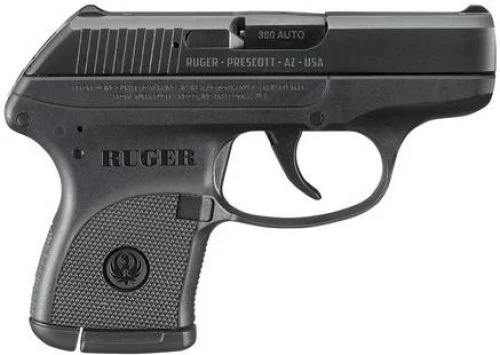
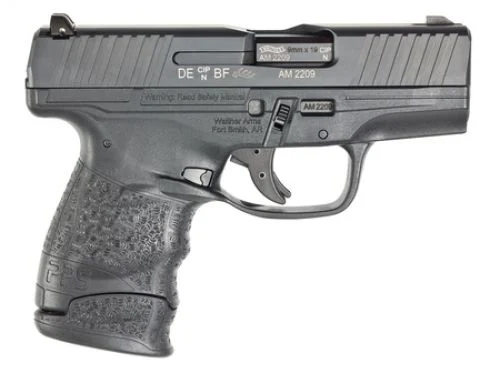
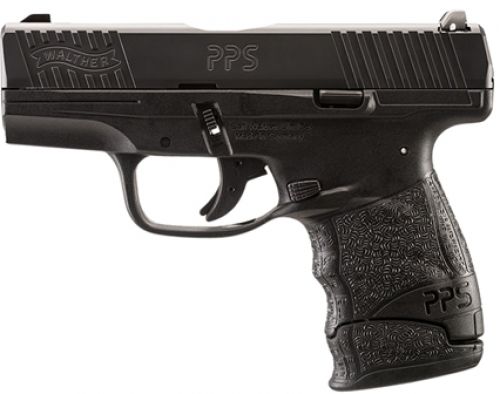
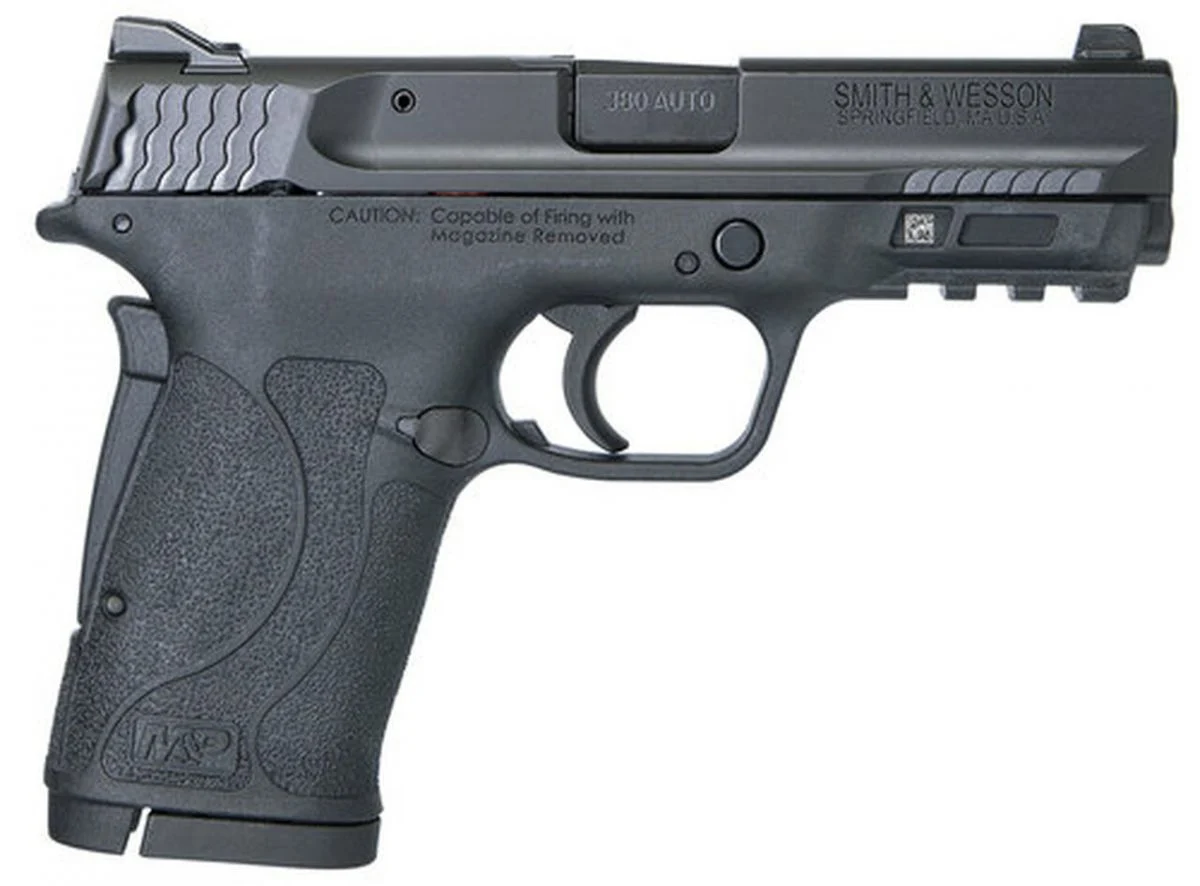
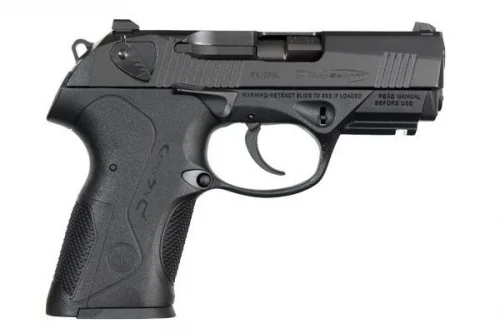
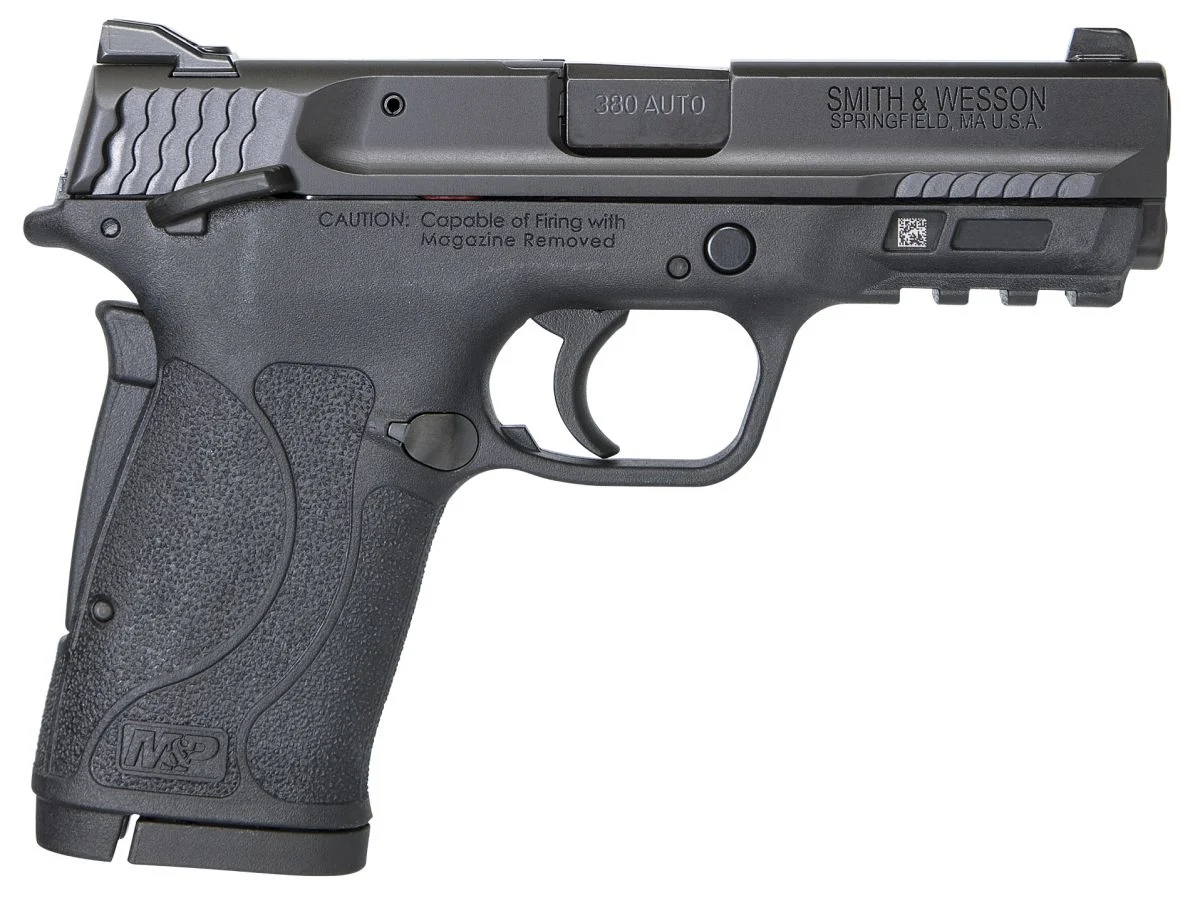
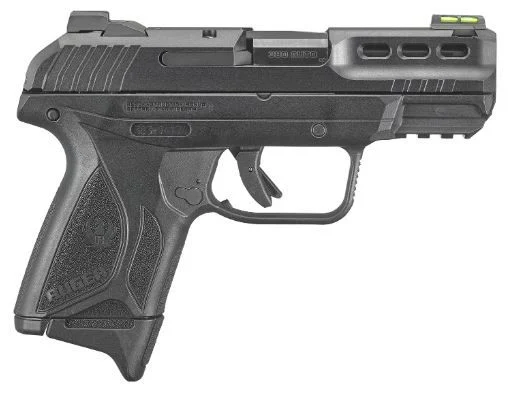
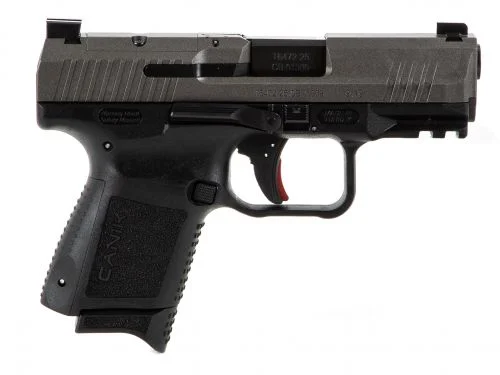
Montana carriers deal with heavy winter coats, long drives and, for many, bear country. A compact 9mm under a coat is common in town, while hikers and hunters often choose a larger caliber or carry bear spray as well. Whatever you pick, practice at a public range, buy a quality holster that covers the trigger, and carry the ammunition you have tested. The Montana gun laws overview covers buying rules, and our online buying guide explains dealer pickup.
This page is general information, not legal advice. Laws change; check the current Montana Code Annotated at leg.mt.gov, the Montana Department of Justice and your county sheriff before you act.
General information, not legal advice. Current as of September 2026. Laws change; check the official source before you act.